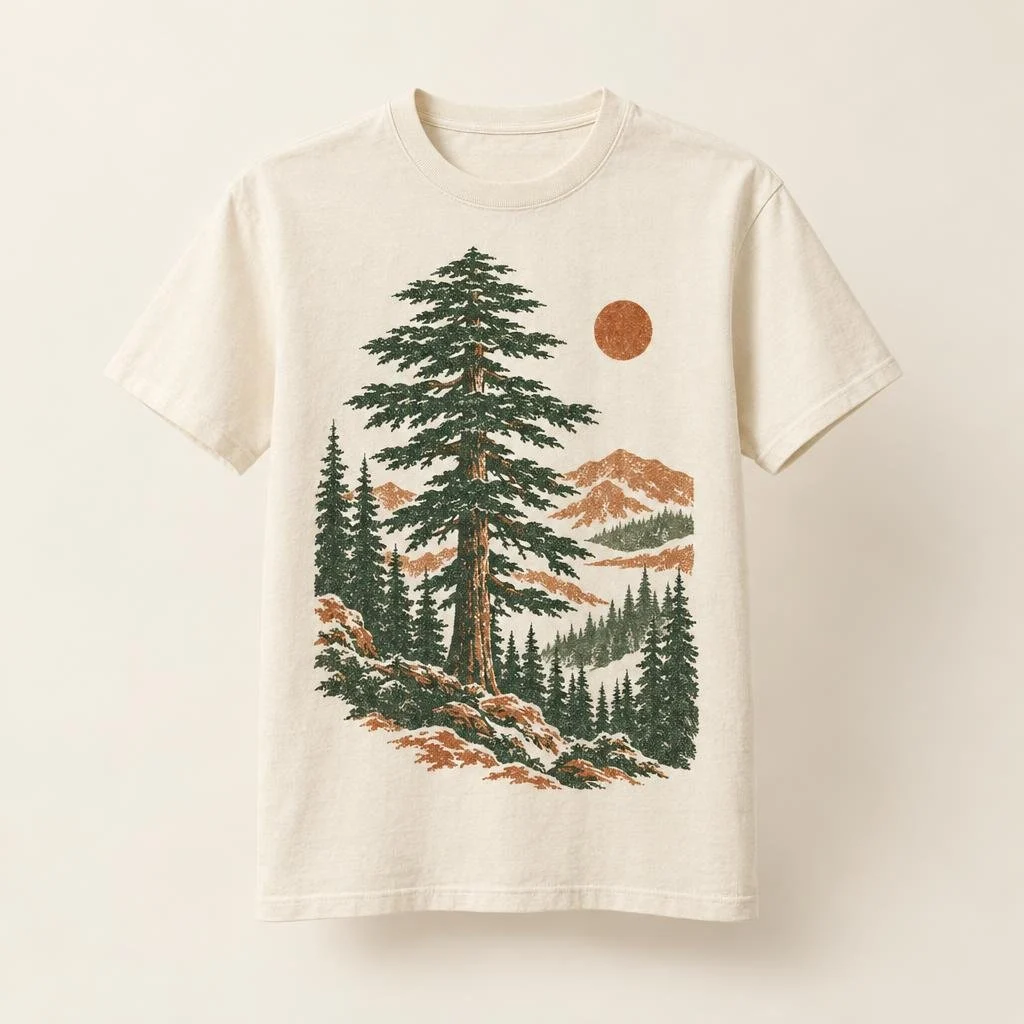

A printed t-shirt is easy to look after once you know a few habits. The goal is to protect both the fabric and the print. Most of the advice comes down to using less heat, less friction and fewer harsh products. None of it is complicated, and it costs nothing to start. Think of it as a routine you only have to learn once.
It helps to understand what you are protecting. A printed design usually sits on top of the fabric as a thin layer of ink, or bonds into the fibers, depending on the method. Either way, the print and the cotton age at different rates. Heat and rubbing affect both, so a gentle routine keeps them wearing down together instead of one failing first.
Begin by reading the care label inside the collar or side seam. It tells you the maximum water temperature the maker recommends. When in doubt, choose cold. Cold water is gentler on cotton and helps dark colors such as black or forest green hold their depth over time. Some labels are printed on the fabric itself, so look closely before you assume there is none.
Sorting the laundry matters more than people think. Wash a printed tee with similar colors and similar weights of fabric. Heavy items like jeans or towels rub harder against a lightweight shirt, and that rubbing is what scuffs a graphic. A small, mixed load of tees and other soft cotton pieces is usually the easiest way to keep things calm in the drum.
Washing Without Wearing It Out
Turn the shirt inside out before it goes in the machine. This keeps the printed side from rubbing against zips, buttons and other clothes. Friction is one of the main reasons graphics look worn early. A mesh laundry bag can add a little extra protection if you wash many items together. It also stops sleeves from twisting into knots.
Choose a mild detergent and skip bleach and heavy fabric softeners. Bleach can fade color and weaken fibers. Softeners can leave a film on fabric that makes it feel less crisp. A short, gentle cycle is usually enough for a tee that has only been worn for a day. Using a little less detergent than the bottle suggests is often fine for light loads.
Too much detergent is a common mistake. Leftover soap can stay in the fabric and make it feel stiff or look dull, and it can sit around the print too. If a shirt seems a bit gray or stiff after washing, an extra rinse cycle often helps. Prompt washing also helps, because stains that sit for days are harder to lift and tempt people to scrub.
Speaking of scrubbing, avoid it on the printed area. Rubbing a graphic with a brush or a rough cloth can crack or lift it. For a spot, dab gently with a soft cloth and a little mild soap, working from the outside of the stain inward. Test any stain remover on an inside hem first, so you know how the fabric and ink react.
Drying and Pressing
Heat is the biggest risk when drying. A hot dryer can shrink cotton and stress the print. If you can, hang the shirt on a hanger or lay it flat to dry. If you do use a dryer, a low setting and a slightly early finish are kinder to the shirt. Taking it out while still a touch damp saves wear.
Air drying has its own trade-offs. Hanging a wet shirt by the shoulders can stretch it, so a hanger with wide, smooth shoulders or a flat surface is better. Direct sun can fade dark colors over time, so a shaded, airy spot is a good choice. Lay-flat drying takes longer, but it is the gentlest method for both fabric and print.
Cotton shrinks mostly in the first few washes, and heat is what pushes it. That is why a shirt that fit well in the store can feel snug after one hot cycle. Cotton blends shrink less, but they can be more sensitive to high heat in other ways. Whatever the fiber, the low and slow approach to drying works for nearly every tee.
If you need to iron, turn the shirt inside out again and keep the iron away from the print. Place a thin cloth between the iron and the graphic if you must press over it. Many tees look fine straight off the hanger and never need ironing. A few minutes in a steamy bathroom can also relax light wrinkles.
Storing Tees for Longer
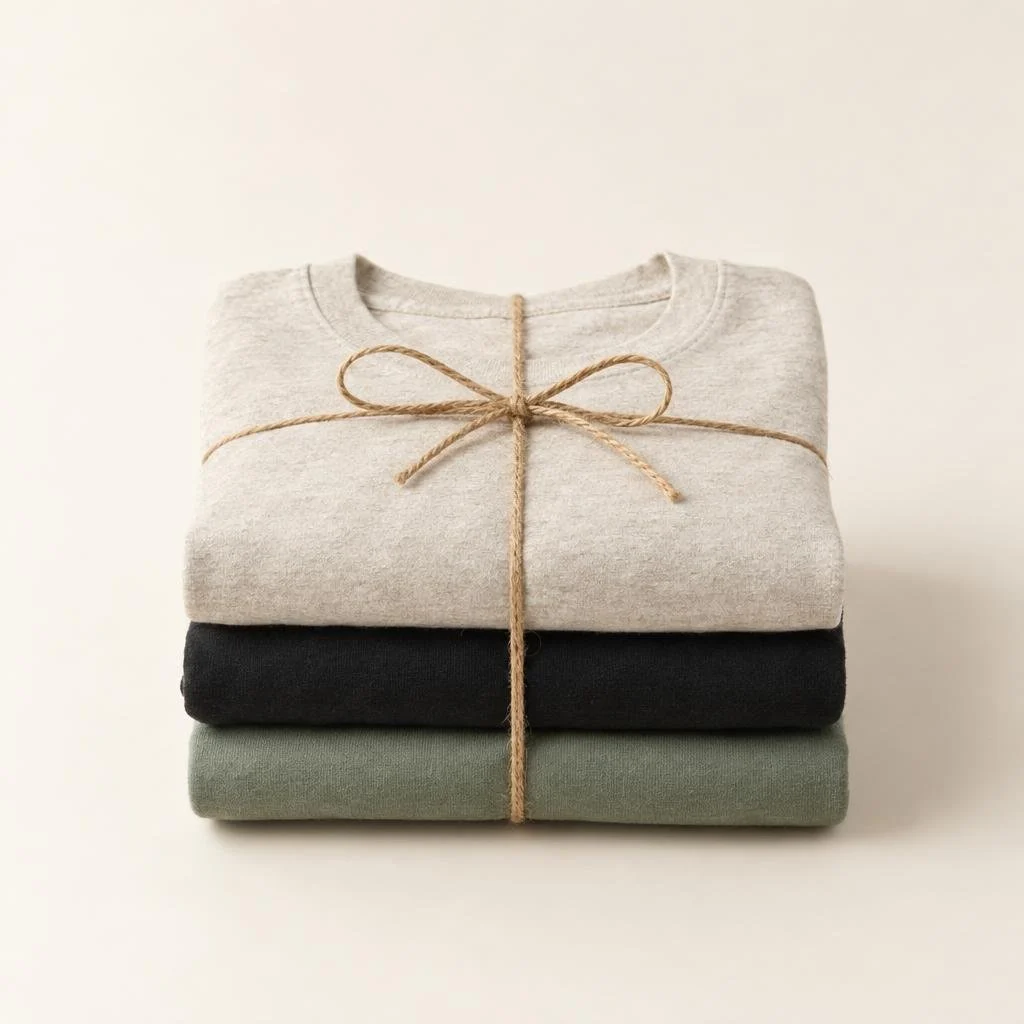
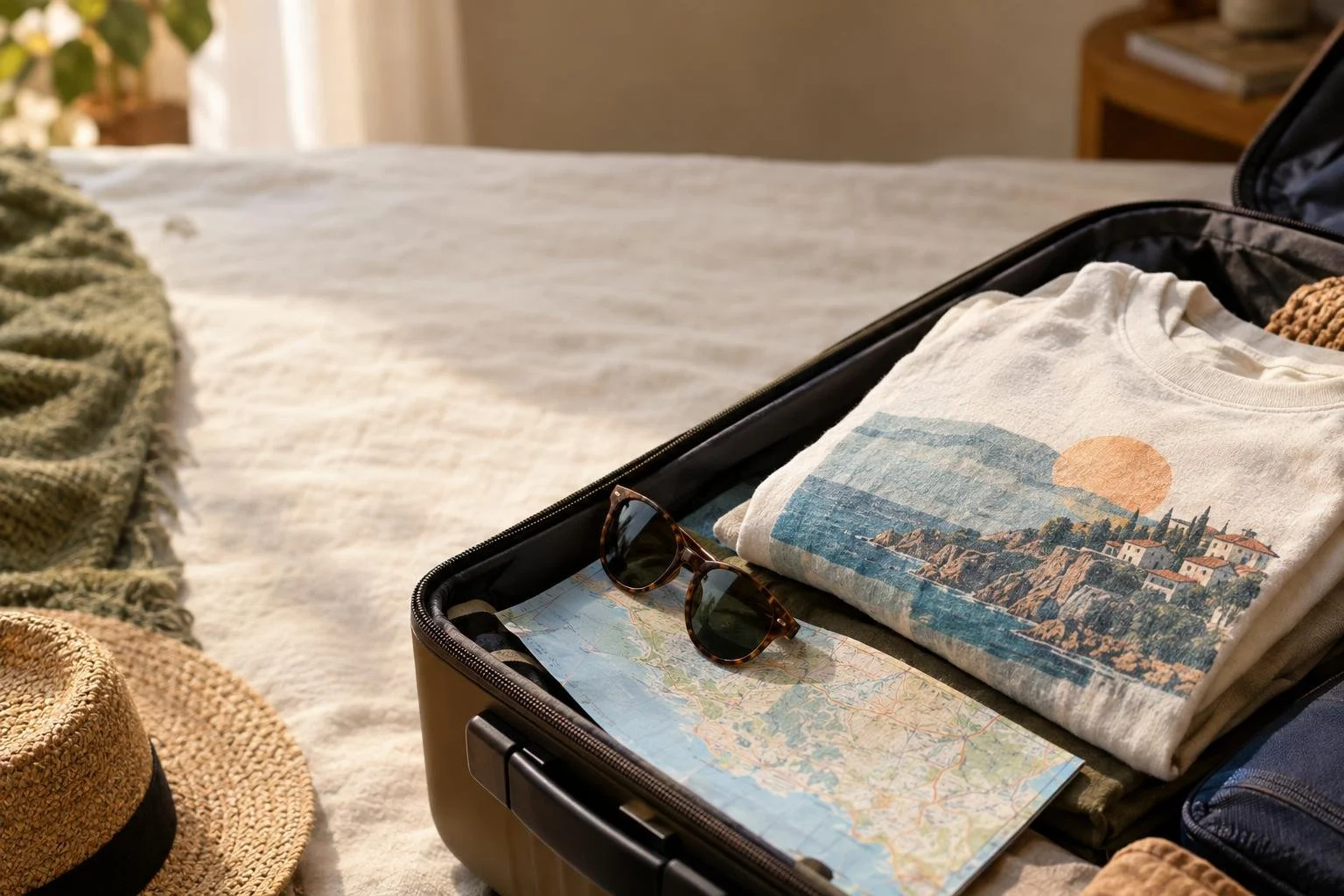
Storing tees well helps as well. Folding is better than hanging for long periods, since hanging can stretch the shoulders. Keep light colors away from dark ones in the drawer if you are worried about transfer in humid conditions. A drawer or shelf that is not packed too tightly lets the fabric rest without being crushed.
When you fold a printed tee, fold it so the graphic is not creased sharply across its middle if you can help it. A fold along a seam or across a plain area is easier on the ink. Stacking a heavy pile on top of one shirt for months can press folds in permanently, so rotate the pile now and then.
Habits outside the laundry room count too. Rotating between a few shirts gives each one time to rest and spreads the wear. Backpack straps, seat belts and rough bag handles rub the same patch again and again, and that is often where a print starts to crack first. Notice where a shirt rubs, and you can sometimes avoid it.
With these small habits, a favorite shirt stays comfortable and keeps looking good. They are easy to remember and quick to do, and they make a printed tee a lot more pleasant to wear again and again. Cold water, an inside-out wash, gentle drying and careful storage cover nearly everything, and the rest is simply paying attention to how the shirt looks and feels.