
Choosing a t-shirt sounds simple, but a few small checks make the difference between a shirt you wear every week and one that stays in the drawer. Start with a tee you already own and like. Lay it flat and measure across the chest and from the collar to the hem. Comparing those numbers to a size chart is far more reliable than guessing from the letter on the label.
When you measure, keep the shirt smooth but do not stretch it. Measure straight across, from one underarm seam to the other, and write the number down. Do the same from the base of the collar to the bottom hem. Those two numbers describe the shape you already enjoy wearing, and they give you something solid to hold up against any chart you meet.
Size charts are not all alike, so read how each one is measured. Some list the dimensions of the shirt itself, laid flat. Others list the body measurements the shirt is meant to fit. Mixing the two up is one of the most common mistakes, and it can leave you a full size off. If the chart does not say which kind it is, look for a note beneath it.
It also helps to remember that letter sizes drift between makers. A medium from one brand can feel like a small from another, because cuts and fabrics differ. That is why the measurements matter more than the label. Once you know your favorite tee's numbers, you can compare them to any chart and make a calm, informed choice instead of a hopeful guess.
Fit, Fabric and Shrinkage
Think about how you want the shirt to sit. A regular fit follows the body without clinging, and it suits most people for everyday wear. It leaves enough room to move your arms and sit comfortably, yet it does not hang like a tent. If you are unsure what you prefer, a regular fit is the safest place to begin, and you can adjust from there.
If you like a looser, relaxed shape, going up a size is a common way to get it. Just remember that the shoulder seams will drop lower on the arm when you do. The sleeves will grow longer as well, and the body will gain length. That can look great and casual, or it can look oversized, so picture the whole shirt and not just the chest.
Cotton is the usual choice for printed tees because it is soft, breathable and takes ink well. The smooth surface of the fabric holds a graphic cleanly, and the fibers feel gentle against the skin. Heavier cotton feels sturdy and holds its shape, while a lighter weight drapes more and feels airy in warm weather. Neither is wrong; it comes down to your taste.
Some cotton shirts shrink a little the first time they are washed, especially if the water or the dryer is hot. If you are between sizes, it can help to think about how you usually wash your clothes. Cold water and a gentle cycle keep the shape steadier. If you always use a hot dryer, you may want to allow a little extra room.
Color, Neckline and Length
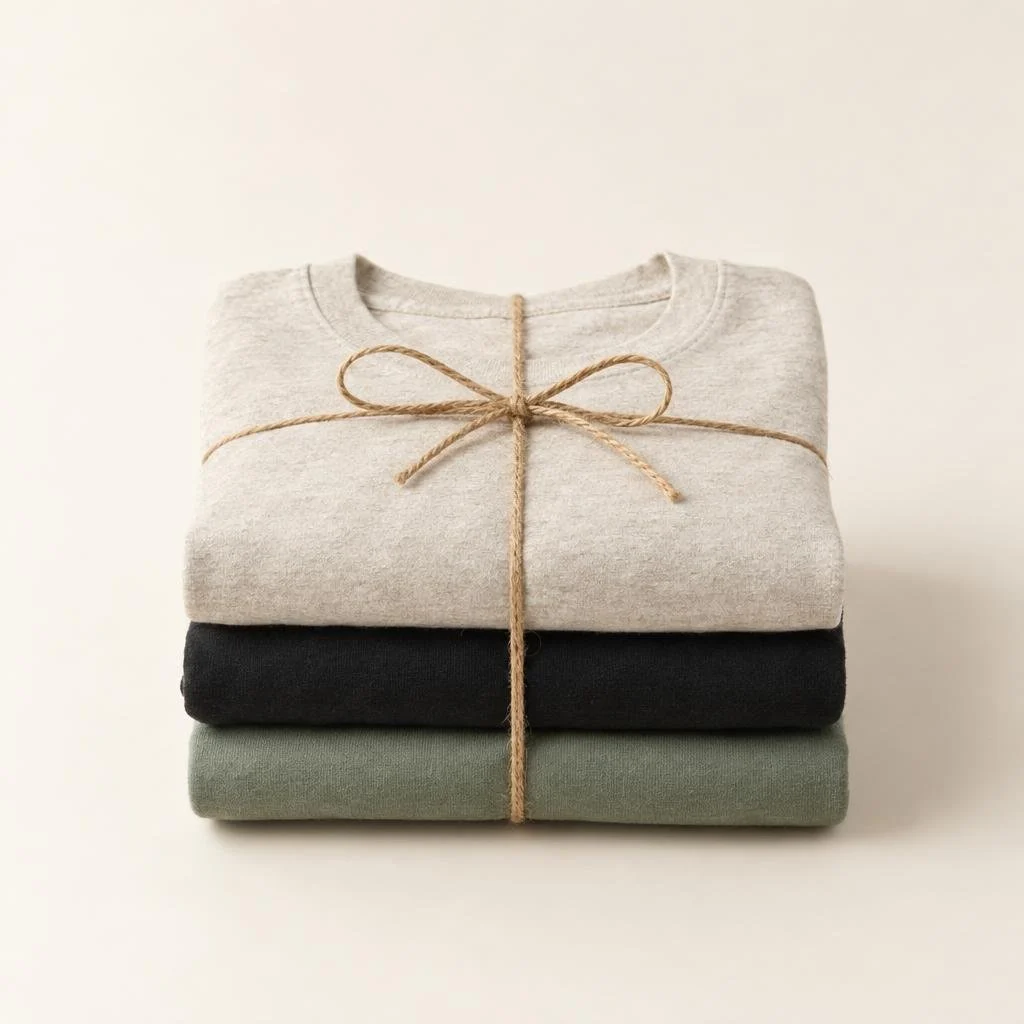
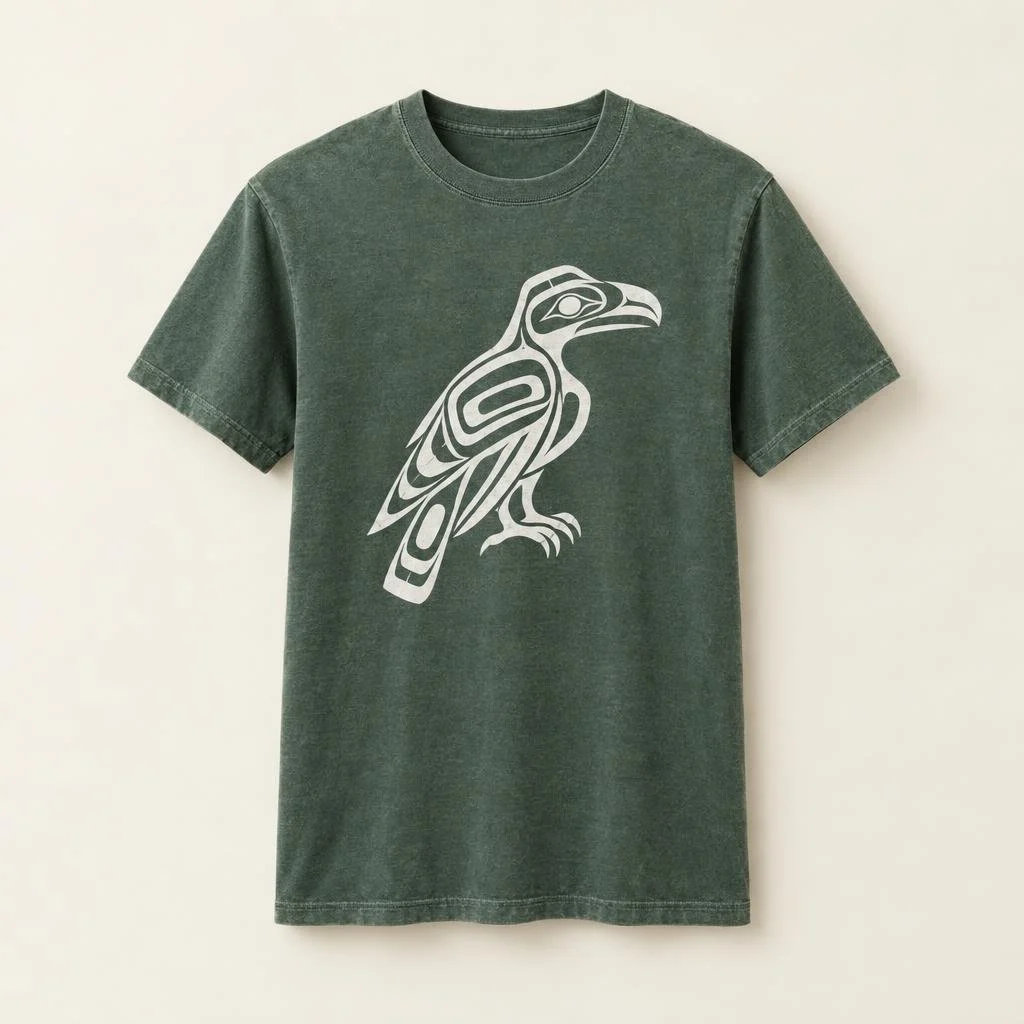
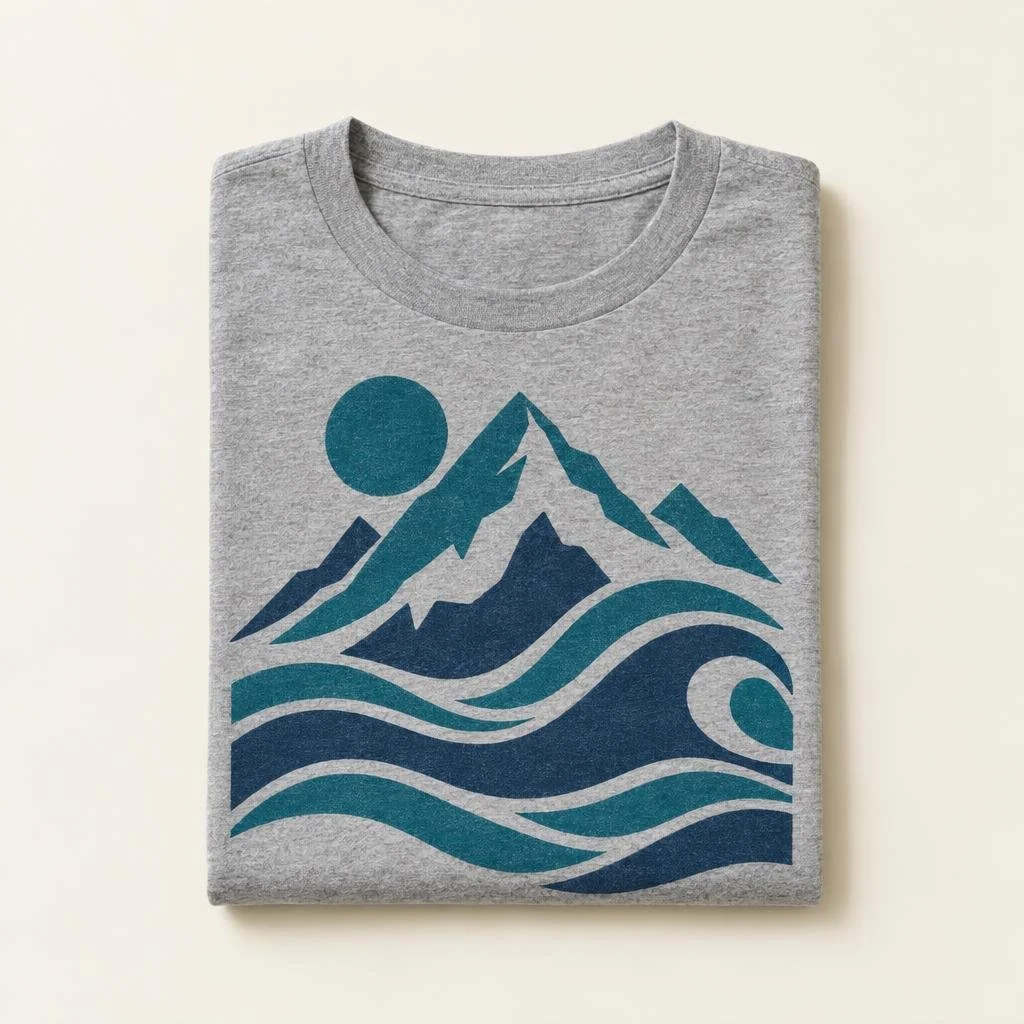
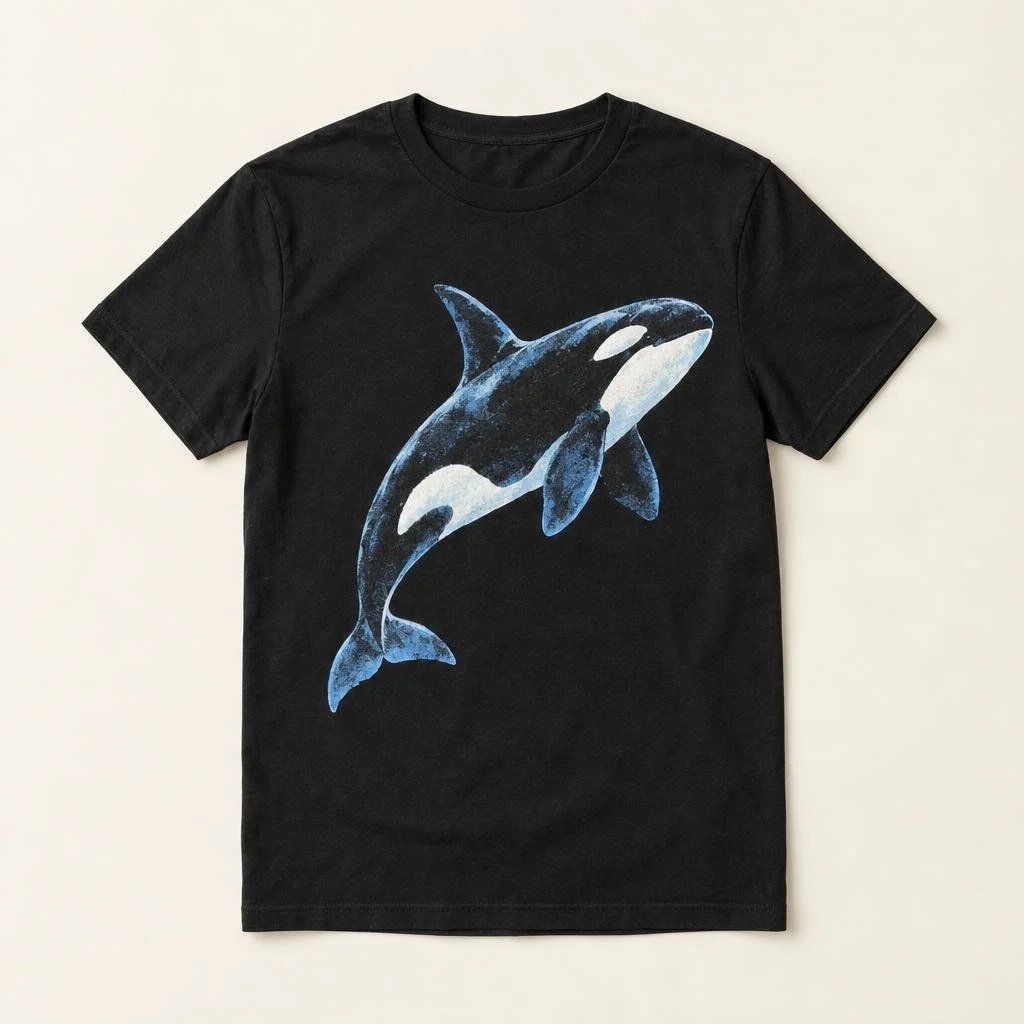
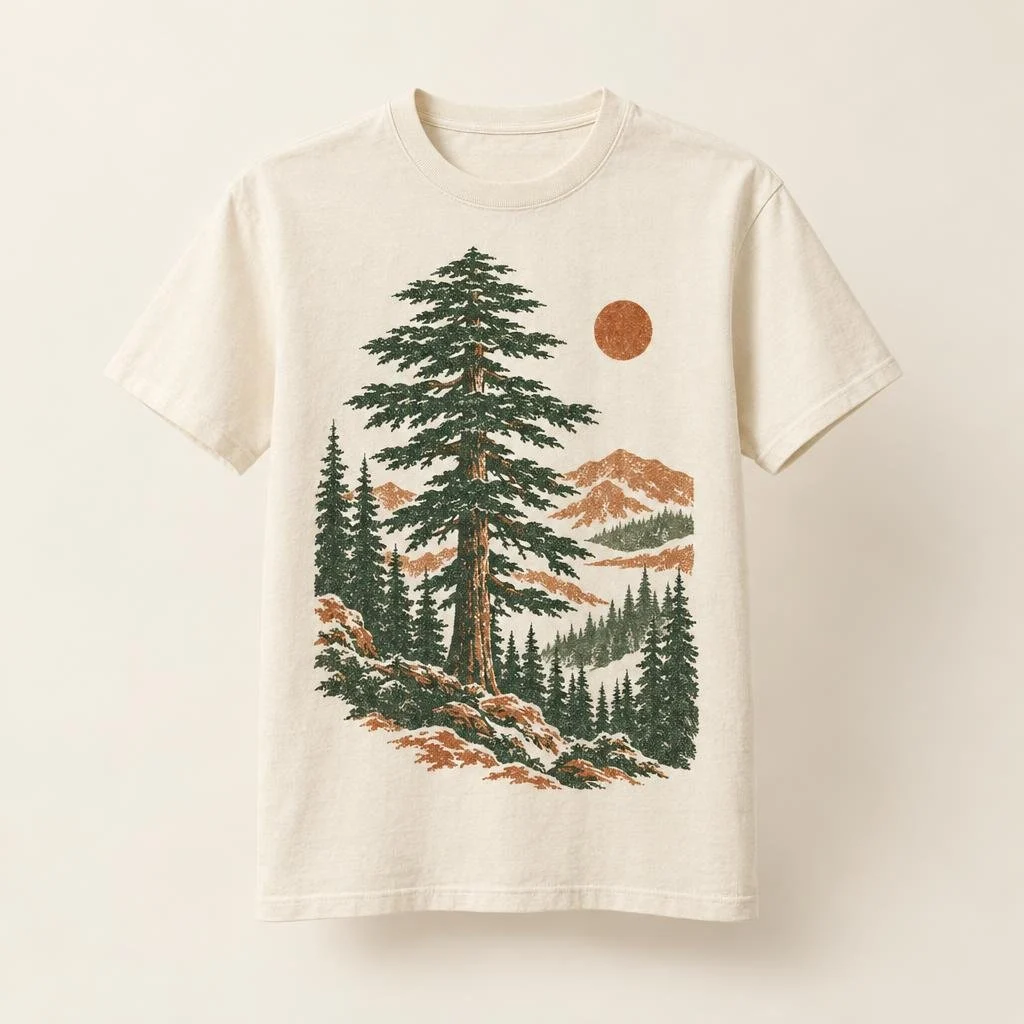
Color matters too. A dark shirt such as black or forest green makes light ink stand out sharply, while a cream or gray shirt gives a softer, quieter look to darker prints. The contrast between ink and fabric decides how bold a graphic feels. A strong contrast reads from across a room, and a gentle one feels more subtle.
Think about what else you wear and which colors you reach for most. A shirt that goes with your usual jeans or jacket gets worn far more often. It is easy to fall for a bright shade in the moment and then find nothing in your closet to pair with it. A quick mental check of your wardrobe saves that disappointment.
The neckline is worth a look. A crew neck is the classic shape and sits neatly under a jacket or hoodie. It frames the face simply and does not fight with layers. Other shapes can look good on their own, but they may peek out awkwardly when you add a collar or a zipped top, so consider how you will wear it.
Check that the collar feels comfortable and lies flat, since a collar that is too tight can bother you all day. A good collar has a little stretch and springs back after you pull it. A wavy or twisted neckline is often a sign of a poor fit around the neck, and it tends to get worse with washing.
Trying It on and Keeping It Good
Length is the other detail people forget. A tee that is too short rides up when you move, and one that is too long can look shapeless. The hem should fall around the belt line for most people, a little lower if you like to wear it untucked. Compare the length number from your favorite shirt with the chart before you decide.
When the shirt arrives, try it on before you wear it out. Raise your arms, sit down and move around for a minute. Reach forward as if you were picking something up. If it feels good in those positions, it will feel good all day. A shirt that only looks right when you stand still will soon annoy you.
Pay attention to the shoulders and the sleeves while you move. The seams should sit near the edge of your shoulder, unless you chose a relaxed fit on purpose. Sleeves should end somewhere on the upper arm without squeezing. If something pulls or pinches during that short test, it will feel worse after a few hours of real wear.
Finally, treat the print kindly. Turn the shirt inside out before washing and avoid harsh bleach. Hang it to dry or use a low heat setting. Rubbing against other clothes can wear down ink, so the inside-out step protects it. A little care keeps the graphic looking good and the fabric comfortable for a long time.