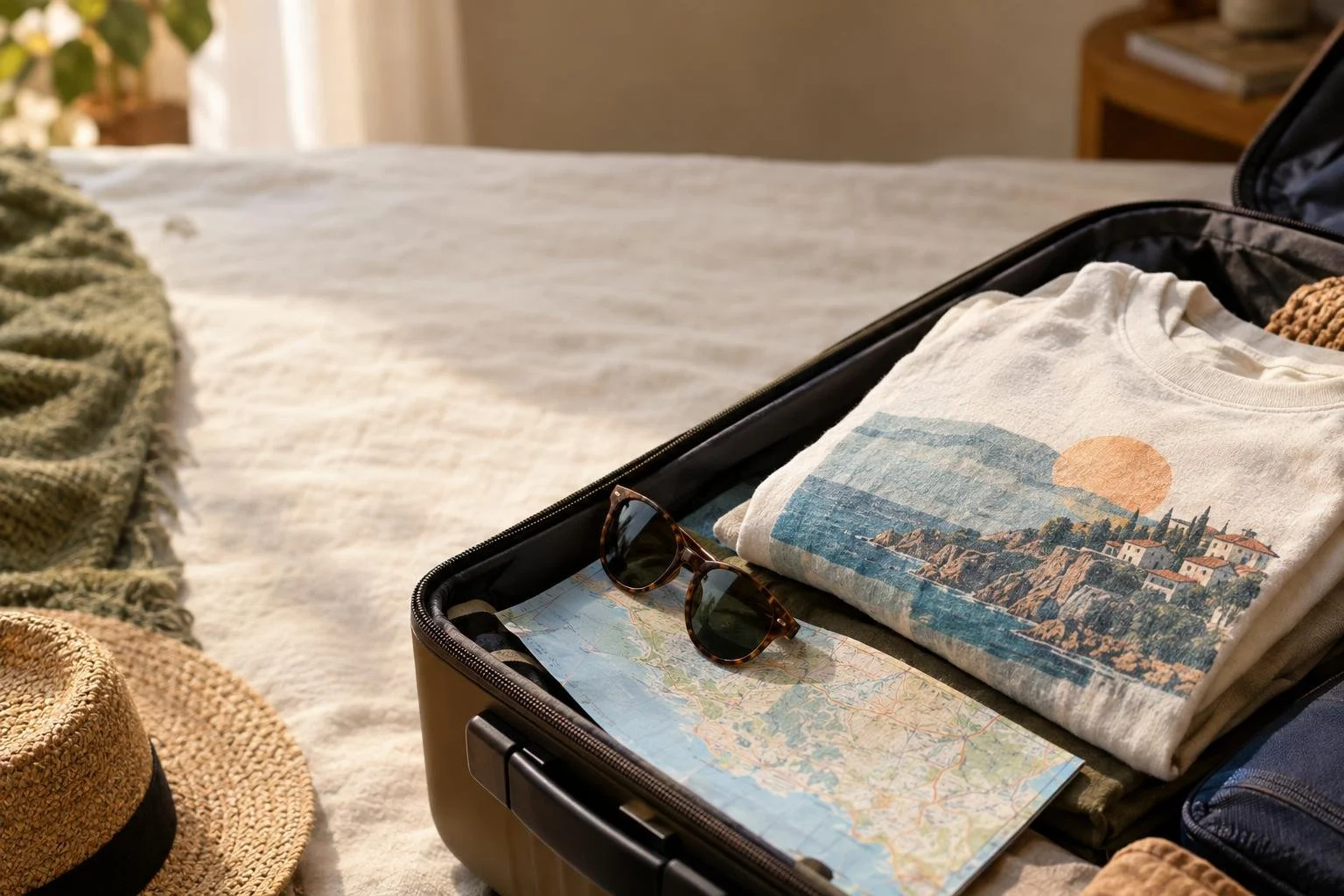
T-shirts are among the easiest things to pack, but a few simple methods keep them neat and ready to wear when you arrive. The right approach depends on how much space you have and how much you mind a few creases. Cotton tees are forgiving, which helps, and most of the decisions come down to a little planning before the zip is closed.
Fabric matters more than people expect. Thick, heavy cotton takes up more room but tends to shrug off wrinkles, while thin, soft jersey packs small and can crease easily in a tight spot. Knowing which kind you are holding helps you decide whether to fold, roll, or simply give the shirt a little extra room in the bag. A shirt that is cramped for days will remember it.
Before anything goes in, make sure each shirt is fully clean and completely dry. A damp shirt packed away can pick up a musty smell, and it can press its moisture into the shirts around it. Shake each one out, smooth the front and the sleeves with your hand, and check the print for any stray lint or dust that would otherwise get pressed in.
It also helps to lay everything out on the bed first. Seeing the full pile shows you quickly when you have packed three shirts that do the same job. Most trips need fewer tees than you think, since a shirt can be worn more than once, and a smaller pile is easier to fold neatly and leaves room for the things you cannot leave behind.
Folding and Rolling Methods
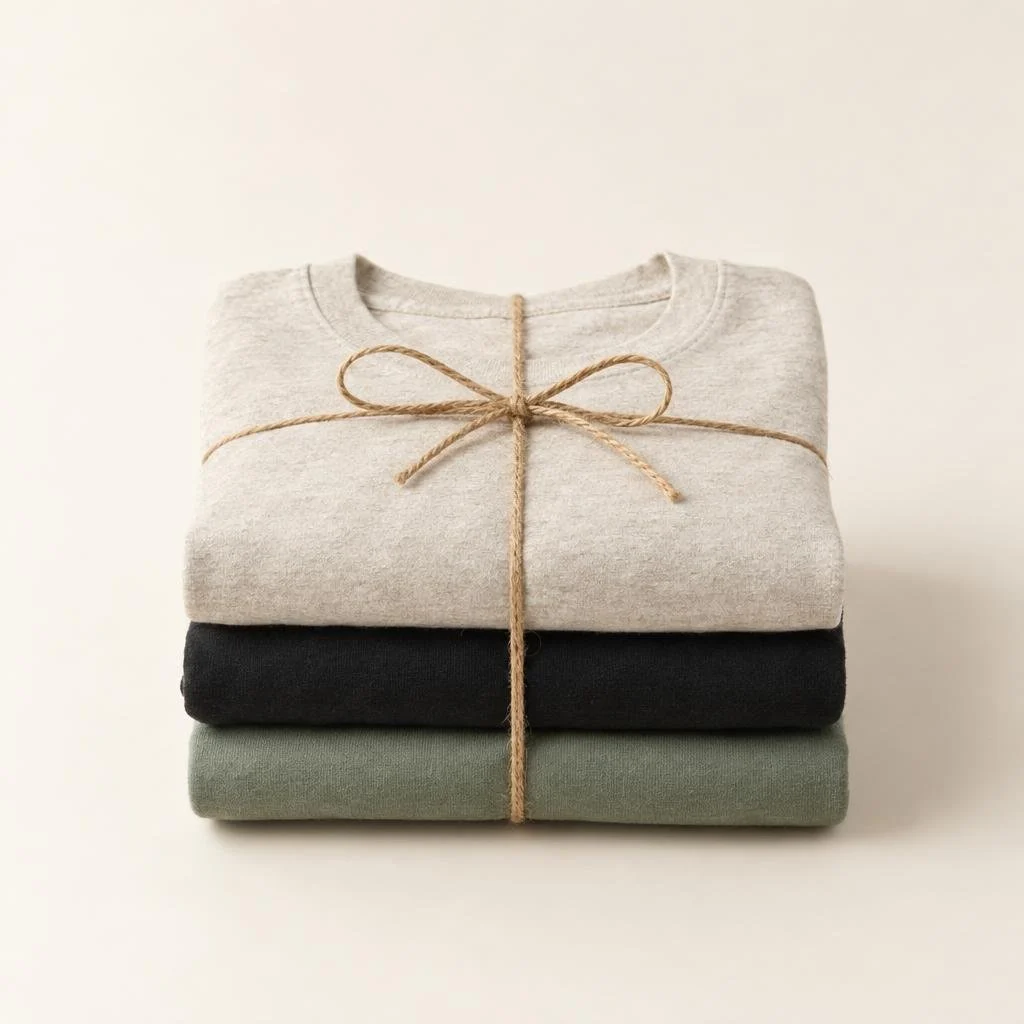
The classic fold works well in a suitcase. Lay the shirt face down, fold each side in toward the middle, then fold the bottom up to the collar. Stack the folded shirts flat so the printed sides stay protected. This method keeps the shape tidy and makes it easy to see what you have when you open the bag at the other end.
Folding has a trade-off. A flat stack is neat and easy to browse, but it takes up a block of space that does not bend around other items. It suits a hard-sided case or a bag with a clear, even floor. If you fold, keep the stack no taller than the case is deep, and press down gently so it sits firm without being crushed.
Rolling is the other popular choice. Roll each shirt tightly from the hem up to the collar. Rolled tees fit into gaps around shoes and bags, and many travelers find they wrinkle less. It is a good option for soft cotton that does not hold sharp creases, and for duffels and backpacks with odd, uneven corners.
A tight roll starts with a smooth shirt. Fold the sleeves in first, so the sides are straight, then roll firmly and keep the tension even as you go. A loose roll tends to unwind and wastes the space you were trying to save. Rolls also stand upright, so you can line them up like a row of tubes and spot the one you want.
Colors, Prints and the Day Bag
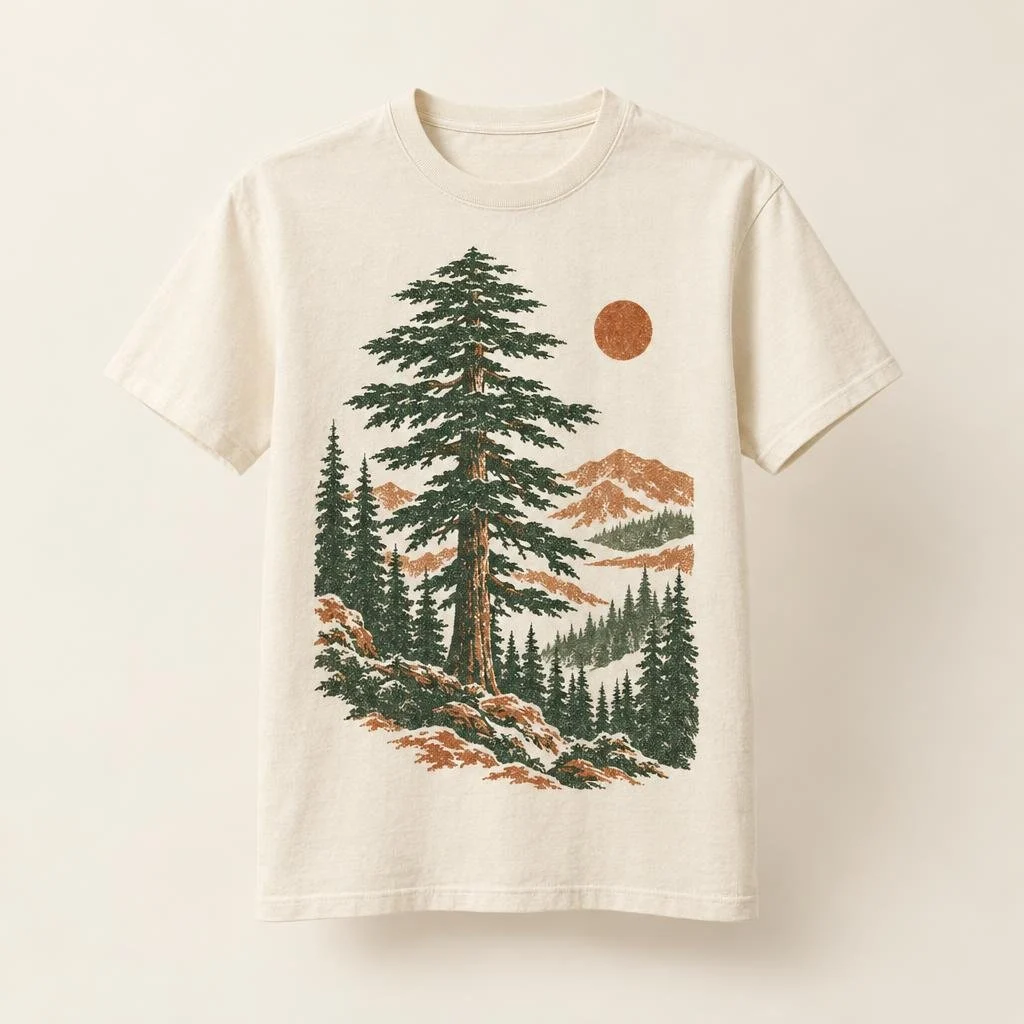
If you pack several shirts, think about color. Put dark shirts together and light ones together so nothing rubs off. Dyes on new or deeply colored cotton can sometimes transfer a little onto paler fabric, especially if anything gets damp. Grouping by shade is a small habit that costs nothing and keeps a white or cream tee looking the way it did at home.
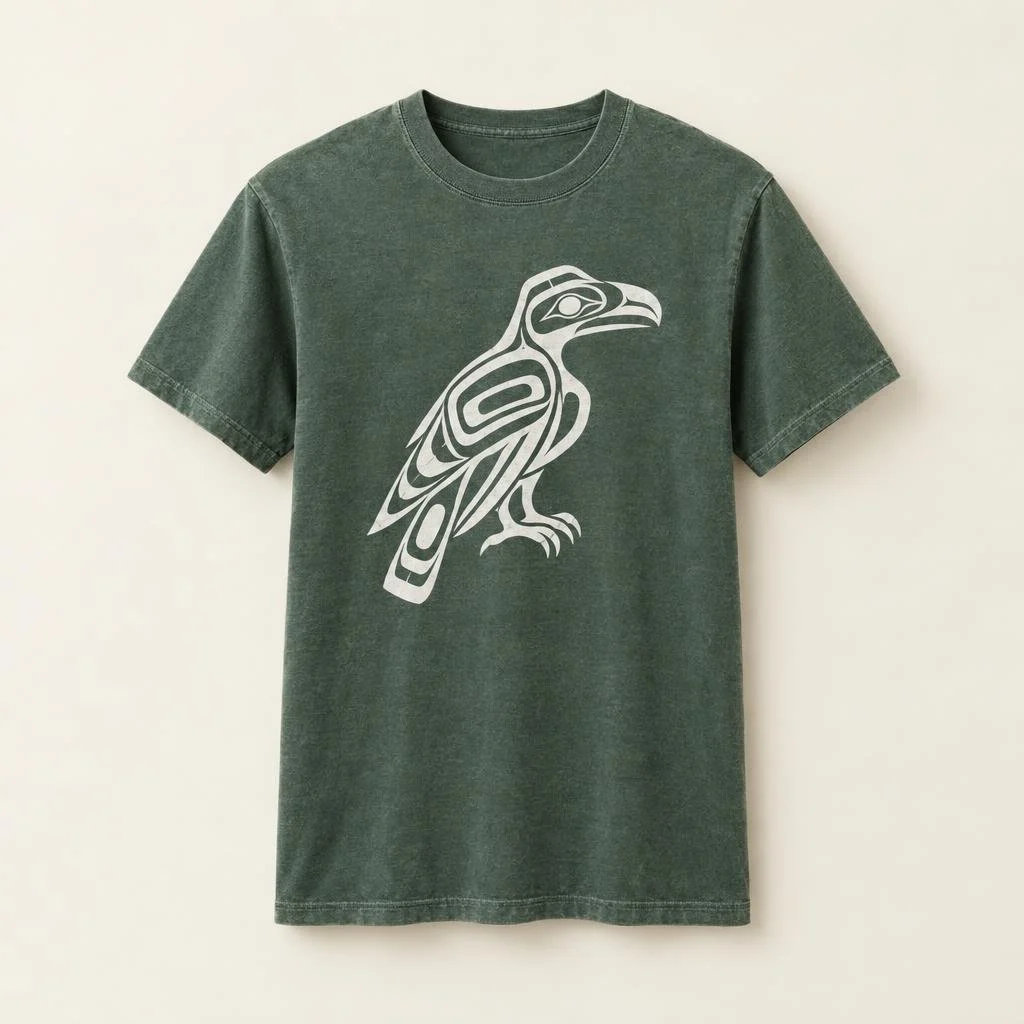
Keep the printed side facing inward or in a stack with other tees rather than against rough zips or hard objects. That protects the graphic during the journey. Prints are a thin layer on the surface of the fabric, so they scuff more easily than the cotton underneath. A soft shirt between the print and anything hard works like a small cushion.
Pick a mix that works together. Two or three shirts in neutral colors such as cream, gray or black can be worn with the same pants or shorts. A single shirt with a bolder print then adds some variety without making the bag heavy. This is the same idea behind any small travel wardrobe: a few pieces that match with almost everything.
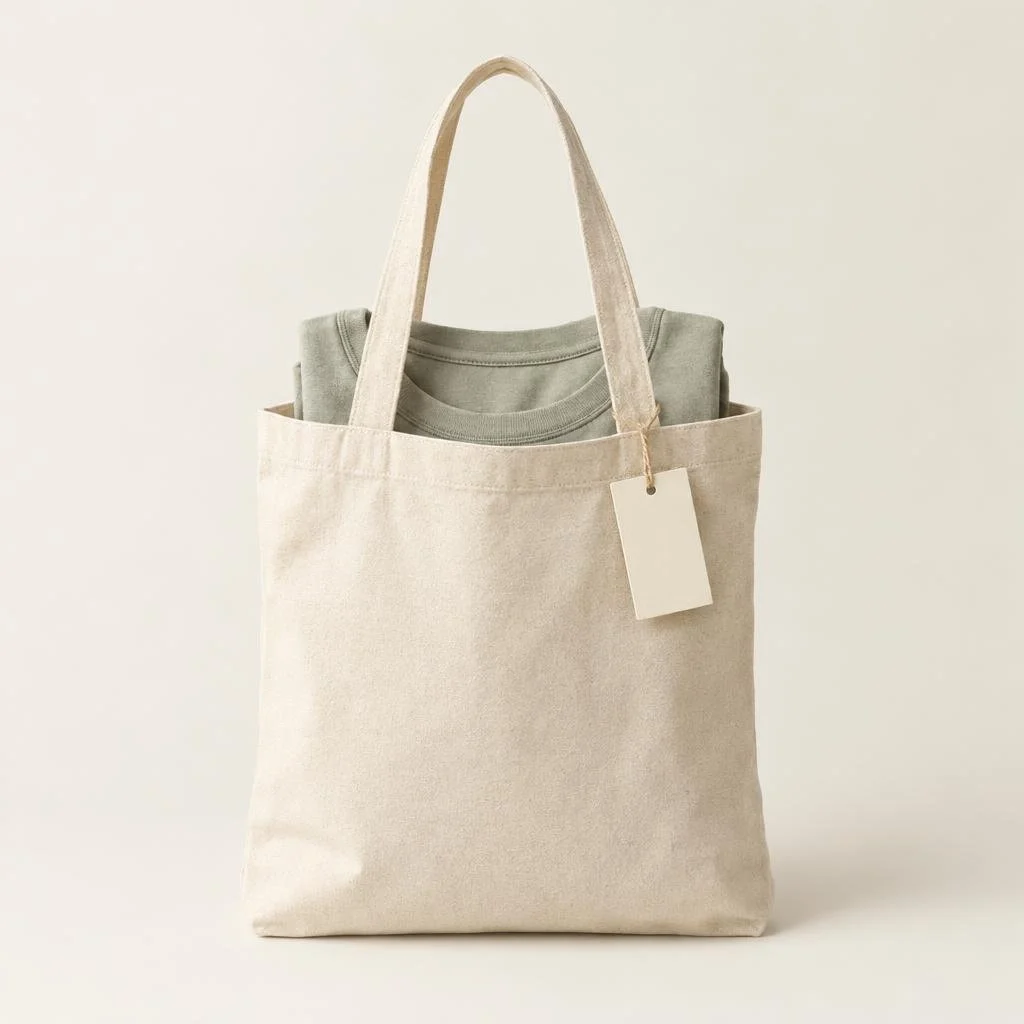
A tote bag is handy for the day itself. It carries a spare shirt, a map or a bottle of water and folds flat when you are done. Canvas totes are sturdy enough for everyday errands, so the same bag keeps working at home after the trip ends. Packed flat in the suitcase, it takes almost no room, and it can carry whatever you pick up along the way.
Settling in After You Arrive
When you arrive, unpack the shirts as soon as you can. Hang them up or lay them flat so any folds relax. Fabric releases creases best when it is left alone and given room, and a shirt left in the bag for days will set its folds more firmly. Even five minutes of unpacking at the start of a stay makes a difference.
A little steam from a hot shower in the bathroom can ease creases without an iron. Hang the shirt on a hanger a short distance from the water, close the door, and let the warm, damp air do the work. Then let the shirt dry fully before you put it on. Stubborn lines can also be smoothed by hand while the fabric is still slightly warm.
Plan for the way home as well. Worn shirts are best kept apart from the clean ones, in a spare bag or at one side of the case, so the fresh ones stay fresh. A tote works well here too. When you get home, take everything out at once rather than leaving the bag sitting in a corner for a week.
Packing well is about keeping things simple. A few good shirts, folded or rolled with care, will see you through most trips and still look good when you wear them. Choose the method that suits your bag, protect the prints, group the colors, and unpack with a little patience. The rest is just enjoying the trip itself, and wearing something comfortable.